Wartime Introduction
Timeline
of Aviation
History
This timeline traces the evolution of aviation in London from early experimentation to post-war development. Visitors are encouraged to consider how technological progress, public interest, and global conflict shaped aviation's role in the city.
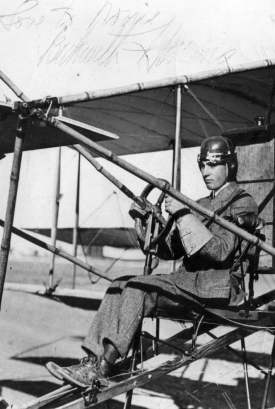
1900-1918
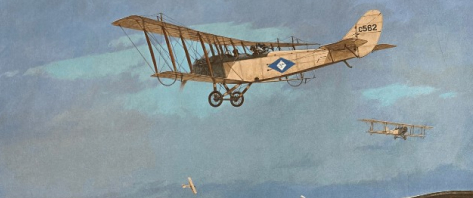
International pioneers and the Silver Dart First recorded flights over London Public reactions to early aircraft Characteristics of early aircraft design
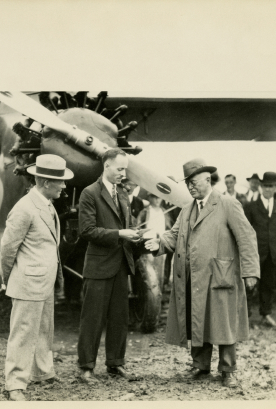
1919-1939
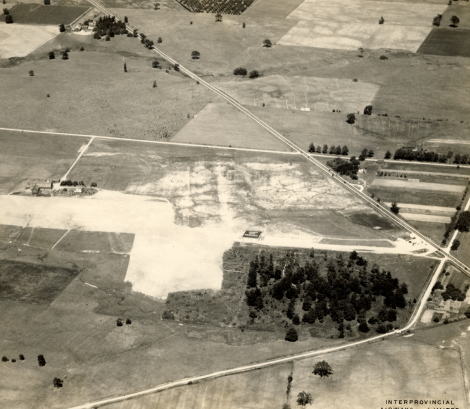
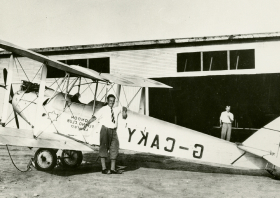
Increased public enthusiasm following the First World War The proposed London-to-London transatlantic flight Establishment of Lambeth Airfield Formation of flying clubs and local aviation culture
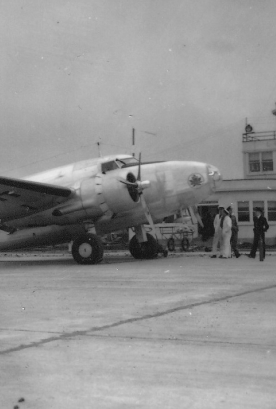
1940-1945
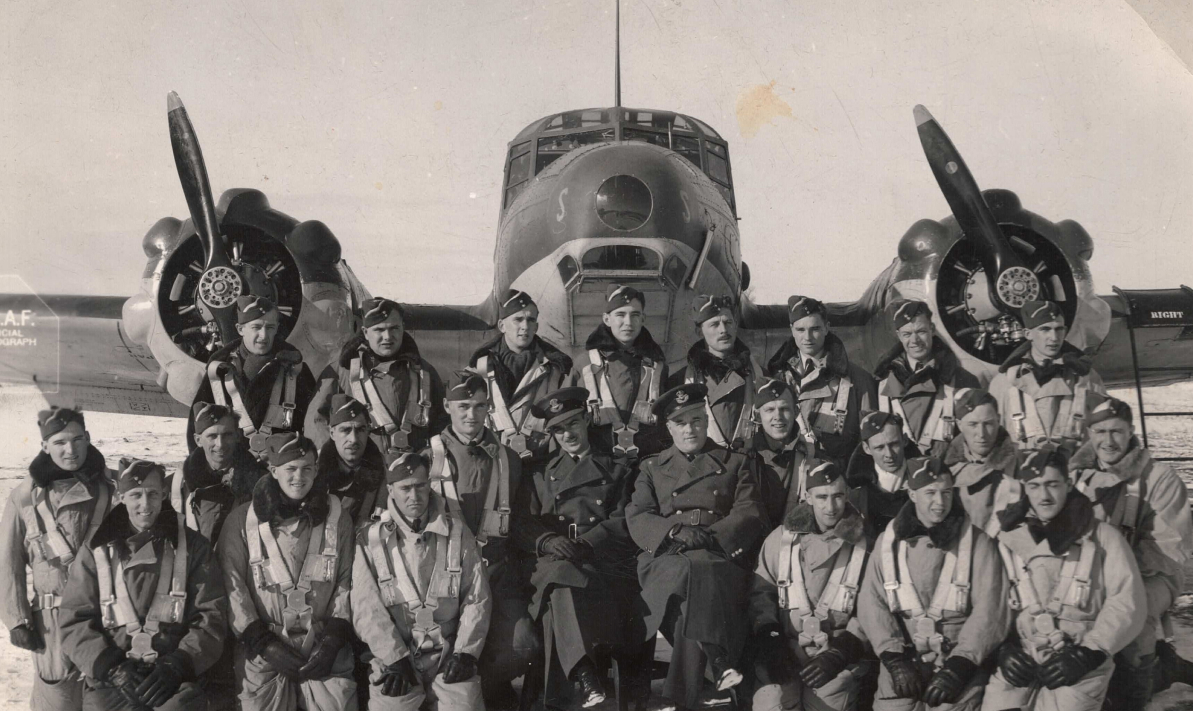
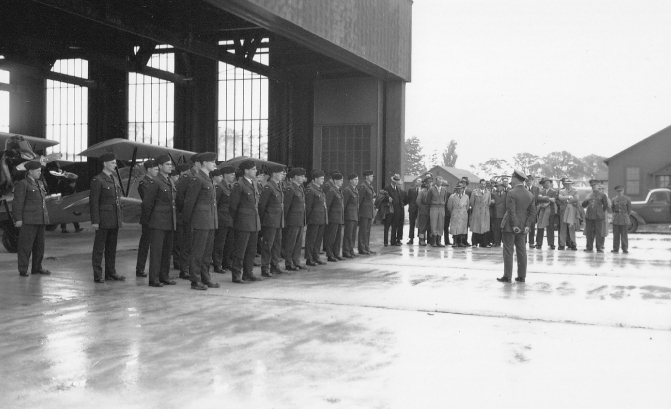
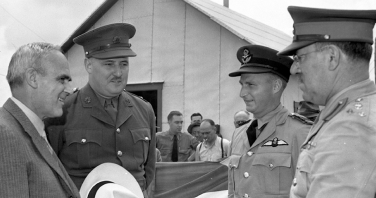
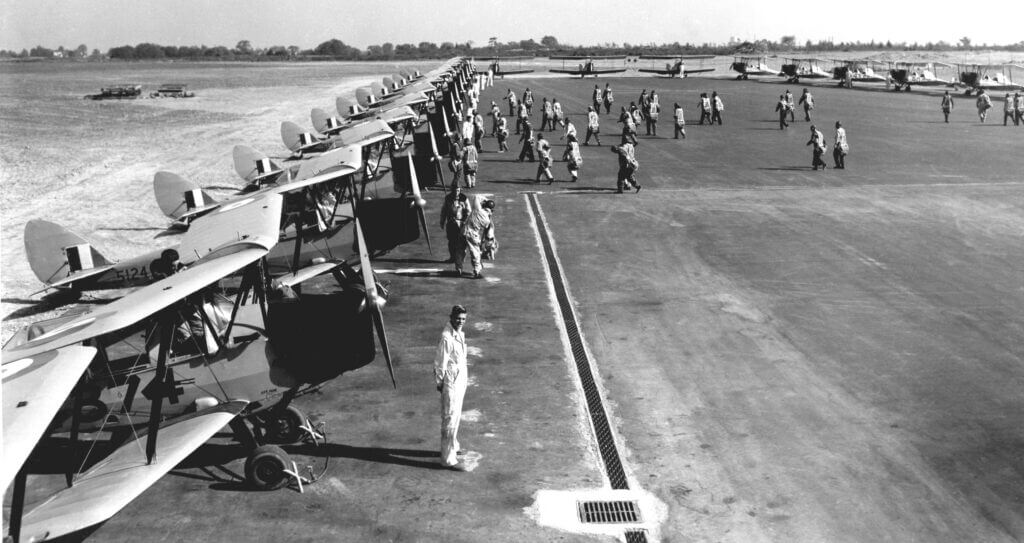
Establishment of training schools at Crumlin Airport London's role within the British Commonwealth Air Training Plan Training of aircrew from across the Commonwealth Civilian infrastructure adapted for military purposes
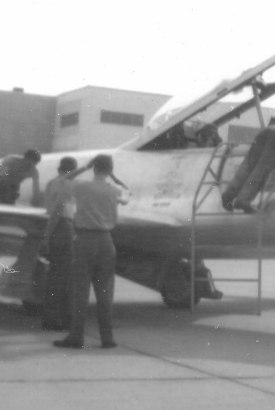
POST WAR
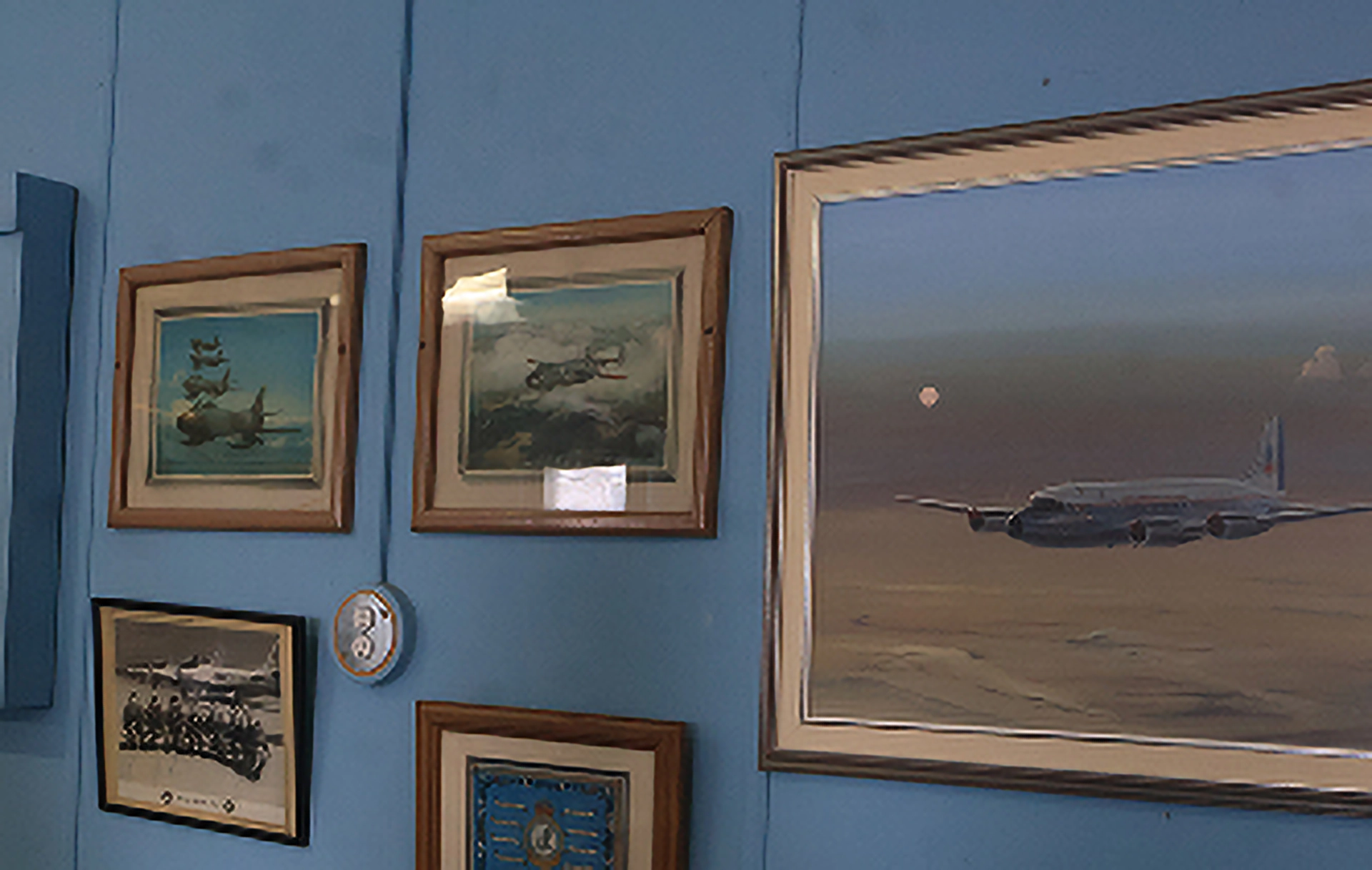
Continued military activity and auxiliary squadrons 420 Squadron operations (1948-1956) Shift toward modern aviation Lasting impact of wartime infrastructure
Detailed Timeline
19
00
|
19
18
1900-1918
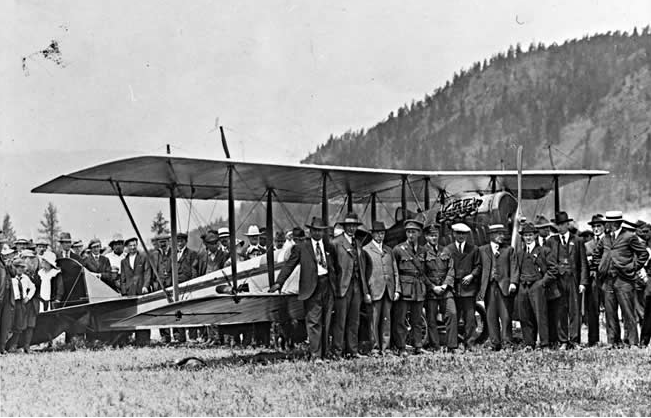
The earliest chapter in London's aviation history was shaped by international pioneers whose daring flights captivated local communities. Public demonstrations introduced the city to heavier-than-air flight, and the characteristics of early aircraft design — fragile frames, open cockpits, and uncertain engines — made every flight an act of bravery.
19
19
|
19
39
1919-1939
The interwar years brought a surge of public enthusiasm for aviation. Post-war aerial photography awakened civilian interest, while ambitious plans — including the proposed London-to-London transatlantic flight — captured the imagination of the city. The formation of Lambeth Airfield and the establishment of flying clubs transformed aviation from spectacle into an accessible community endeavour.
19
40
|
19
45
1940-1945
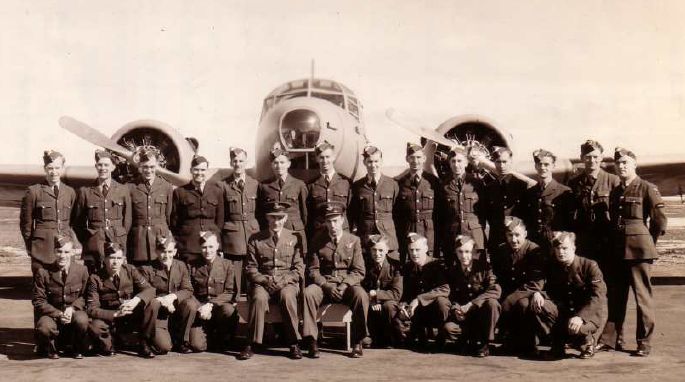
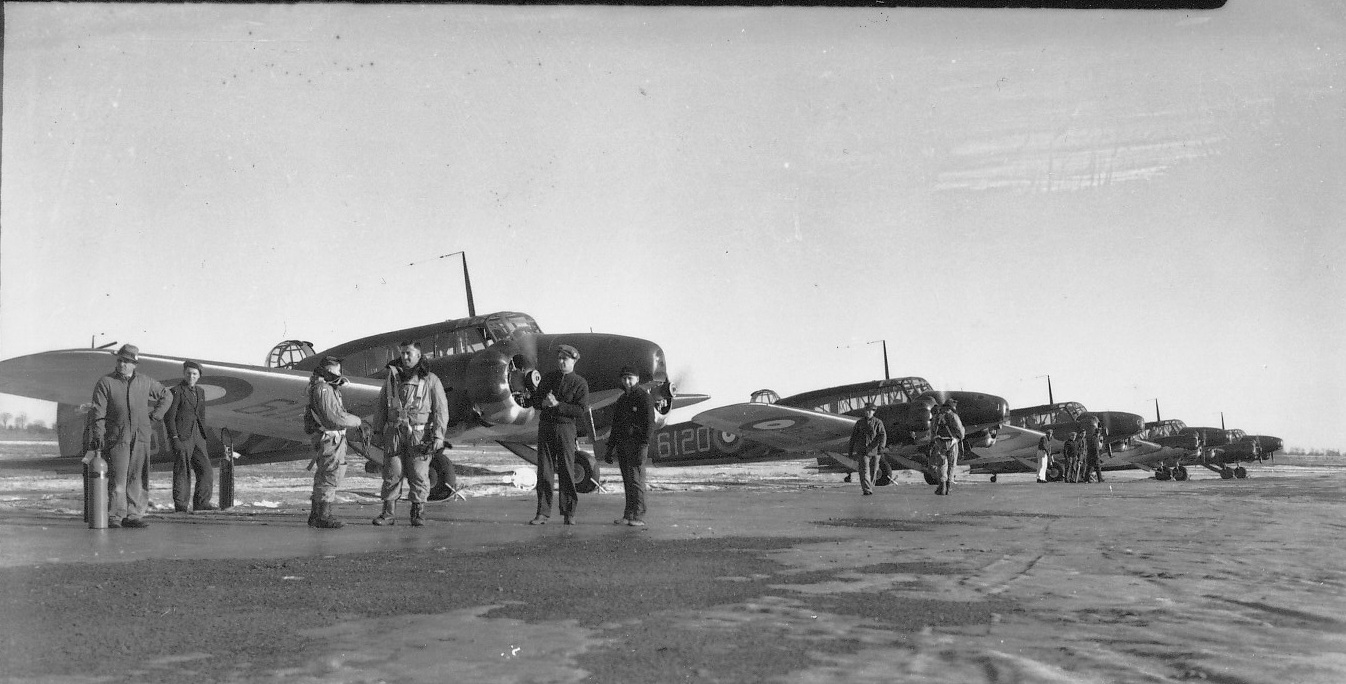
London's wartime role was defined by the British Commonwealth Air Training Plan — a massive international effort that trained thousands of aircrew from Canada, Britain, Australia, New Zealand, and other Allied nations. Two major BCATP schools operated at Crumlin Airport, transforming civilian infrastructure into a vital engine of the Allied war machine.
P
O
S
T
|
W
A
R
POST-WAR
The post-war years saw London transition from a wartime training hub to a modern aviation centre. Auxiliary squadrons maintained military readiness, while the infrastructure built for the BCATP became the foundation of the London International Airport. The wartime canteen — now the museum — stands as the last surviving link to this transformative era.